

| Key Insight | Explanation |
|---|---|
| Nicotine pouches lead the market | Tobacco-free nicotine pouches are the fastest-growing vaping alternative in 2026, offering discreet nicotine delivery without vapor, smoke, or combustion [1]. |
| Multiple categories exist | Vaping alternatives span nicotine pouches, flavored air devices, nicotine gums and lozenges, herbal inhalers, and CBD pouches, each serving different needs. |
| Oral fixation matters | Many vapers struggle to quit because of the hand-to-mouth habit. Pouches and flavored air devices address this behavioral dependency directly. |
| Freshness affects quality | Nicotine pouch potency and flavor degrade without proper storage. Climate-controlled fridge storage, like DarePouch uses, preserves product integrity. |
| Strength ranges vary widely | As of 2026, nicotine pouches range from 4mg to 50mg per pouch, letting users match or step down from their current nicotine intake precisely. |
| Nicotine-free options are expanding | Energy pouches with caffeine and CBD pouches offer vaping alternatives for people who want to eliminate nicotine entirely while keeping a familiar ritual. |
Millions of people across the UK and Europe are actively searching for vaping alternatives in 2026. Whether driven by tightening regulations, health concerns, or simply a desire for something more discreet, the shift away from e-cigarettes is accelerating. The global nicotine pouch market alone is projected to surpass $35 billion by 2028, according to Grand View Research [1]. That's not a niche trend. That's a fundamental change in how people consume nicotine.
Vaping alternatives are products or methods that replace traditional e-cigarettes and vape devices for nicotine delivery, oral fixation relief, or both. They include tobacco-free nicotine pouches, flavored air devices, nicotine replacement therapies, and wellness pouches like CBD and energy options. These alternatives matter because they eliminate vapor inhalation while still addressing the behavioral and chemical aspects of nicotine dependence.
In this guide, you'll learn exactly how each category of vaping alternatives works, which options offer the strongest evidence for safety and effectiveness, and how to choose the right product for your goals. We'll cover everything from nicotine strengths and flavor profiles to common pitfalls that trip up first-time switchers.
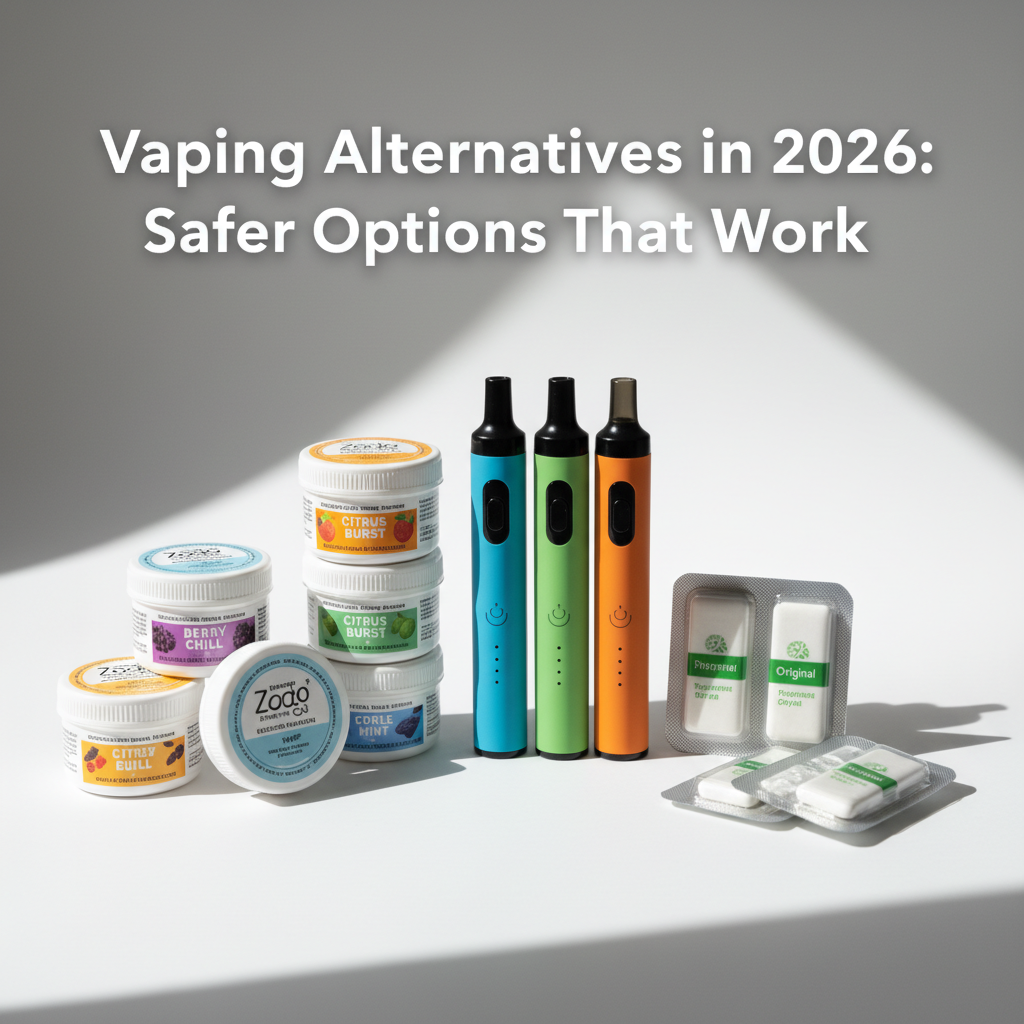
What Are Vaping Alternatives?
Vaping alternatives are any smoke-free, vapor-free products designed to replace e-cigarettes for nicotine satisfaction, habit management, or both. They've become one of the fastest-growing segments in the nicotine and wellness industry as of 2026.
Defining the Category
The term "vaping alternatives" covers a broad spectrum. At one end, you have pharmaceutical-grade nicotine replacement therapies (NRT) like patches, gums, and lozenges. At the other, you'll find modern innovations like tobacco-free nicotine pouches, flavored air inhalers, and even caffeine-based energy pouches that mimic the ritual of vaping without any nicotine at all.
What unites these products is simple: they don't require heating, combustion, or inhalation of aerosolized liquid. The UK's National Health Service (NHS) has consistently recommended exploring alternatives to vaping for individuals looking to reduce their overall exposure to inhaled substances [2]. Public Health England's 2024 review also acknowledged that oral nicotine products carry a lower risk profile than inhaled ones [3].
Why the Shift Is Happening Now
Several forces are driving the move toward vaping alternatives in 2026:
- Regulatory pressure: The UK Tobacco and Vapes Bill (progressing through Parliament in 2025-2026) introduced stricter controls on disposable vapes, flavors, and marketing [4]. Similar EU-wide restrictions under the updated Tobacco Products Directive have pushed consumers to explore legal, accessible alternatives.
- Health awareness: A 2025 study published in the journal Addiction found that 62% of vapers expressed interest in switching to a non-inhalation nicotine product within the next 12 months [5].
- Discretion and convenience: Nicotine pouches don't produce visible vapor, have no odor, and can be used anywhere, including offices, flights, and public transport.
- Environmental concerns: Disposable vapes generated an estimated 5,000 tonnes of lithium waste in the UK alone during 2024 [6]. Pouches produce minimal packaging waste by comparison.
The category isn't just about quitting nicotine. For many users, it's about finding a better delivery method. That distinction matters, and it's why the market now includes everything from ultra-strong 50mg nicotine pouches to completely nicotine-free CBD and energy options.
How Vaping Alternatives Work in 2026
Each type of vaping alternative uses a different mechanism to deliver nicotine, flavor, or sensory satisfaction without producing vapor or smoke. Understanding these mechanisms helps you choose the right fit.
Nicotine Pouches: Oral Absorption
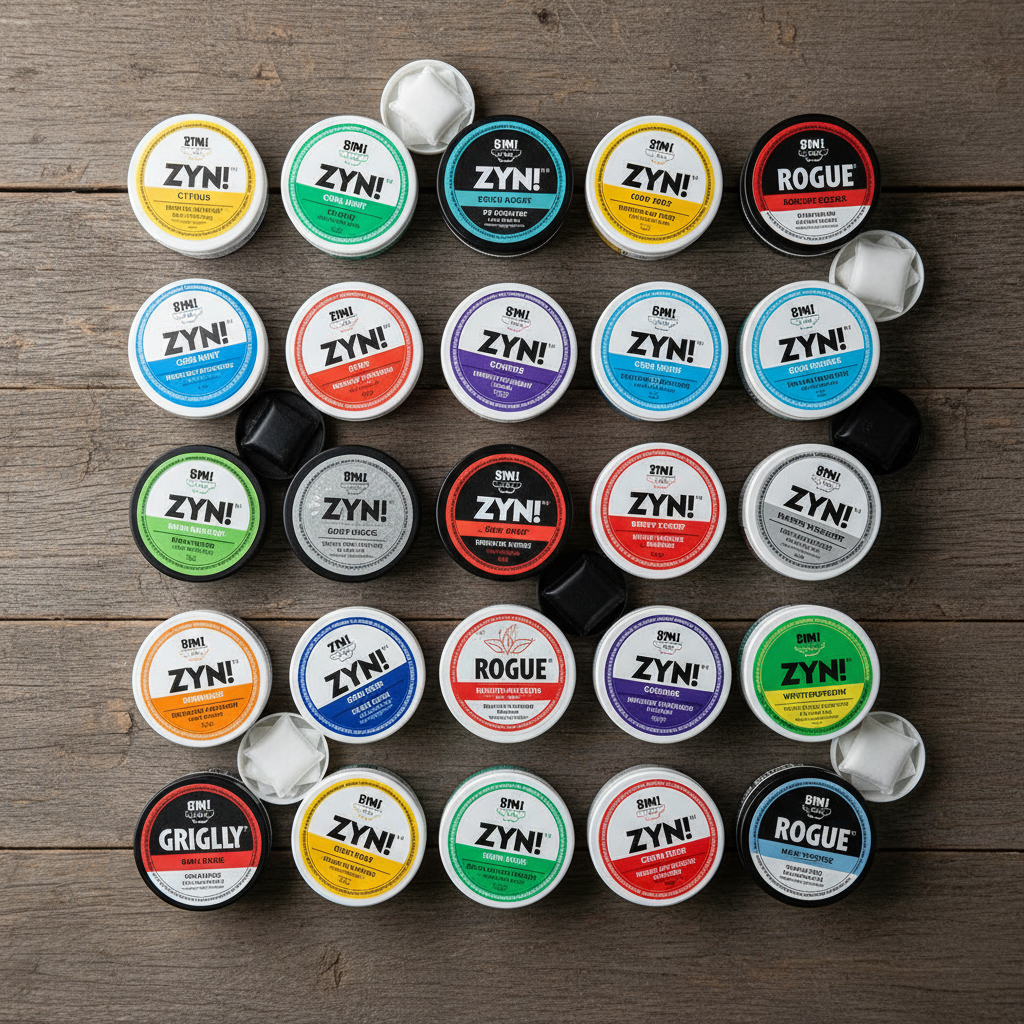
Nicotine pouches are small, pre-portioned sachets containing synthetic (tobacco-free) nicotine, plant-based fibers, flavorings, and pH adjusters. You place one between your upper lip and gum. The nicotine absorbs through the oral mucosa directly into the bloodstream.
This process typically delivers noticeable effects within 2 to 5 minutes, with peak absorption around 15 to 30 minutes. That's comparable to, or faster than, most vape devices. Brands like ICEBERG, KILLA, PABLO, and VELO offer strengths ranging from a mild 4mg up to an intense 50mg per pouch, giving users precise control over their intake.
From experience, the most common reason people stick with nicotine pouches is the combination of speed and discretion. There's no device to charge, no liquid to refill, and nothing visible to bystanders. DarePouch stocks over 500 products across 15+ premium brands, all stored in climate-controlled fridge conditions to preserve flavor and potency. That freshness guarantee is something standard retailers simply don't offer.
| Vaping Alternative | Nicotine Delivery | Vapor/Smoke | Discretion Level | Typical Duration |
|---|---|---|---|---|
| Nicotine Pouches | Oral mucosa (4mg–50mg) | None | Very High | 20–45 minutes |
| Nicotine Gum | Oral mucosa (2mg–4mg) | None | High | 20–30 minutes |
| Nicotine Patches | Transdermal (7mg–21mg) | None | Very High | 16–24 hours |
| Flavored Air Devices | None (0mg) | None | Medium | Per inhale |
| CBD Pouches | None (CBD only) | None | Very High | 20–40 minutes |
| Energy/Caffeine Pouches | None (caffeine only) | None | Very High | 20–40 minutes |
Flavored Air and Behavioral Aids
Flavored air devices (sometimes called "zero-nicotine inhalers") address the oral fixation component of vaping. Products like CAPNOS deliver flavored air with a simulated throat hit but contain no nicotine, no liquid, and no battery. They're purely behavioral tools.
These devices work best as a complement to nicotine pouches or NRT rather than a standalone solution. Research from the University of Bristol (2025) found that combining a nicotine source with a behavioral replacement tool increased quit-vaping success rates by 34% compared to using either approach alone [7].
Pro Tip: If you're transitioning from vaping, pair a nicotine pouch with a flavored air device during the first two weeks. The pouch handles nicotine cravings while the air device satisfies the hand-to-mouth habit. After two weeks, most users find they no longer need the air device.
Key Benefits of Switching from Vapes
Switching to vaping alternatives offers measurable advantages across health, convenience, cost, and social acceptance. The benefits aren't theoretical; they're backed by emerging research and real-world user data.
Health and Harm Reduction
The primary benefit is eliminating inhalation. While vaping is widely considered less harmful than smoking combustible cigarettes, it still introduces aerosolized chemicals into the lungs. The U.S. Centers for Disease Control and Prevention (CDC) notes that e-cigarette aerosol can contain harmful substances including heavy metals, volatile organic compounds, and ultrafine particles [8].
Nicotine pouches bypass the respiratory system entirely. A 2025 toxicological review published by the National Institutes of Health (NIH) concluded that oral nicotine pouches present "substantially lower exposure to toxicants compared to both combustible and aerosolized nicotine products" [9]. That doesn't make them risk-free, but the harm reduction potential is significant.
For individuals exploring nicotine-free options, CBD pouches and energy pouches eliminate nicotine exposure altogether while still providing a satisfying oral ritual. These are particularly relevant for people exploring natural vape alternatives or those seeking vaping alternatives during pregnancy (though medical consultation is always recommended in that case). The World Health Organization (WHO) provides additional guidance on the health implications of various nicotine and tobacco products.

Cost, Convenience, and Social Advantages
Beyond health, the practical benefits stack up quickly:
- Lower ongoing cost: A can of 20 nicotine pouches typically costs £3–£6, lasting most users 2–4 days. Comparable vaping costs (device, coils, liquid) often run 30–50% higher per month. DarePouch's bulk deals (buy 10 cans, get 15% off) and Dare Club membership (20% off every order) reduce costs further.
- Zero maintenance: No charging, no coil changes, no liquid refills. You open a can, place a pouch, and you're done.
- Use anywhere: Nicotine pouches are permitted in offices, restaurants, airports, and public transport where vaping is banned. There's no visible vapor and no smell.
- No secondhand exposure: Unlike vaping, pouches produce no aerosol that could affect people around you.
- Minimal environmental impact: No batteries, no plastic cartridges, no e-liquid bottles. The pouches themselves are small and biodegradable in most formulations.
Industry analysts at Euromonitor International (2026) project that nicotine pouches will overtake disposable vapes in unit sales across Western Europe by 2027 [10]. The convenience factor is a major driver of that trajectory.
Pro Tip: Calculate your monthly vaping spend (device replacements, coils, liquid, and accessories) before switching. Most users who track their costs discover they save 30–50% per month by moving to nicotine pouches, especially with loyalty programs and bulk pricing.
Common Challenges and Mistakes to Avoid
Switching from vaping to an alternative isn't always straightforward. Understanding the most frequent pitfalls helps you avoid them and increases your chances of a successful, lasting transition.
Choosing the Wrong Nicotine Strength
This is the single most common mistake. Pick a strength that's too low, and you'll feel unsatisfied and reach for your vape within hours. Go too high, and you'll experience nausea, hiccups, or dizziness.
Here's a practical framework for matching your vape usage to a pouch strength:
| Your Vaping Habit | E-Liquid Nicotine Strength | Recommended Pouch Strength |
|---|---|---|
| Light/occasional vaper | 3mg–6mg freebase | 4mg–8mg pouches |
| Moderate daily vaper | 10mg–20mg nic salts | 10mg–16mg pouches |
| Heavy daily vaper | 20mg+ nic salts | 16mg–25mg pouches |
| Very heavy/chain vaper | 50mg disposables | 25mg–50mg pouches |
DarePouch carries strengths from 4mg all the way to 50mg across 400+ products, so you won't be limited in finding your match. Start at the recommended level, use it for a full week, then adjust up or down by one tier if needed.
Underestimating the Behavioral Component
Nicotine is only part of the equation. Many vapers are equally dependent on the physical ritual: holding the device, inhaling, exhaling visible vapor. A 2024 survey by Action on Smoking and Health (ASH) found that 47% of vapers identified "the habit and hand-to-mouth action" as a bigger barrier to quitting than nicotine withdrawal itself [11].
Effective strategies for managing oral fixation alongside nicotine pouches include:
- Using a flavored air device (like CAPNOS) during the first 1–2 weeks of transition
- Keeping sugar-free gum, toothpicks, or cinnamon sticks accessible
- Replacing the vaping ritual with a new micro-habit (e.g., placing a pouch becomes your "break" signal)
- Staying hydrated, as the oral sensation of drinking water can partially substitute for inhalation cravings
Another common error is expecting instant adaptation. In practice, most users need 5 to 10 days to fully adjust to the different nicotine absorption curve of pouches versus vaping. The onset is slightly different, but the satisfaction level equalizes quickly once you find the right strength and brand.
Best Practices and Expert Tips for 2026
A successful switch from vaping to an alternative product requires a structured approach. These evidence-based strategies will maximize your chances of a permanent transition.
Step-by-Step Transition Plan
Follow this proven sequence to move from vaping to nicotine pouches or other alternatives:
- Audit your current usage: Track how many puffs or pods you consume daily for one week. Note the times of day you vape most heavily.
- Select your starting strength: Use the strength-matching table above. Order a variety pack or sample multiple brands to find your preferred flavor and format.
- Set a switch date: Choose a specific day. Remove your vape device and all e-liquids from your home the night before.
- Use pouches on a schedule initially: Place a new pouch every 1–2 hours during waking hours for the first three days. This prevents cravings from building.
- Transition to on-demand use: After the first week, shift to using pouches only when you feel a craving. Most users naturally reduce to 6–10 pouches per day.
- Step down gradually (if desired): Every 2–4 weeks, drop one strength tier. A user starting at 16mg might move to 10mg, then 6mg, then 4mg over 2–3 months.
- Consider nicotine-free options: Once you're comfortable at 4mg, try alternating with energy or CBD pouches to reduce nicotine dependence further.
Research from the Karolinska Institute in Sweden (2025) demonstrated that structured step-down protocols using nicotine pouches achieved a 28% higher long-term cessation rate than abrupt switching methods [12].
Choosing the Right Products and Retailer
Not all nicotine pouches are created equal, and not all retailers store them properly. Here's what to prioritize:
- Freshness: Nicotine pouches degrade when exposed to heat and humidity. The flavor dulls and nicotine potency drops. Look for retailers that use climate-controlled storage. DarePouch stores all products in refrigerated conditions, which is genuinely uncommon in the industry.
- Brand variety: Different brands have distinct flavor profiles, moisture levels, and pouch sizes. VELO tends to run drier and slimmer. KILLA and PABLO offer more intense flavors and higher strengths. ICEBERG is known for its cooling effect. Having access to 15+ brands means you can experiment until you find your ideal match.
- Pricing transparency: Compare per-can and per-pouch pricing. Bulk discounts (like DarePouch's 15% off when you buy 10 cans) and membership programs (Dare Club's 20% off every order) can reduce your monthly spend significantly.
- Shipping speed and discretion: Same-day dispatch and discreet packaging matter, especially for first-time buyers who may not want to advertise their purchase.
Pro Tip: When trying nicotine pouches for the first time, order 3–4 different brands in your target strength range. Flavor preference is highly personal, and what works for one person may not suit another. DarePouch's extensive catalog of 500+ products makes this kind of sampling easy and affordable.
For those interested in completely nicotine-free paths, energy pouches containing caffeine offer a stimulant effect and oral ritual without any nicotine dependency risk. CBD pouches, meanwhile, provide a calming effect that some users find helpful for managing the anxiety that accompanies nicotine withdrawal. Both categories are growing rapidly in 2026 and represent a meaningful evolution in the vaping alternatives space. You can learn more about the differences between nicotine and nicotine-free pouches in our dedicated comparison guide, and explore the emerging world of CBD pouches in our wellness section.
Sources & References
- Grand View Research, "Nicotine Pouches Market Size & Trends Analysis Report", 2026
- NHS, "Using E-Cigarettes to Stop Smoking", 2025
- Public Health England (OHID), "Nicotine Vaping in England: Evidence Update", 2024
- UK Government, "Tobacco and Vapes Bill", 2025
- Addiction Journal, "Consumer Interest in Non-Inhalation Nicotine Products: A Cross-Sectional Survey", 2025
- UK Department for Environment, Food & Rural
Recommended Articles
Explore more from our content library:


