

| Key Insight | Explanation |
|---|---|
| Safety Profile | Nicotine pouches eliminate inhalation risks but both products carry nicotine addiction potential |
| Delivery Method | Pouches deliver nicotine through oral mucosa; vapes through lung absorption |
| Cost Comparison | Pouches typically cost €3-8 per can; vapes range €5-15 per device plus e-liquid |
| Discretion Factor | Pouches are completely vapor-free and odorless; vapes produce visible clouds |
| Nicotine Control | Pouches offer precise dosing (2-50mg); vapes provide variable intake control |
| Regulatory Status | Both face evolving regulations across Europe as of 2026 |
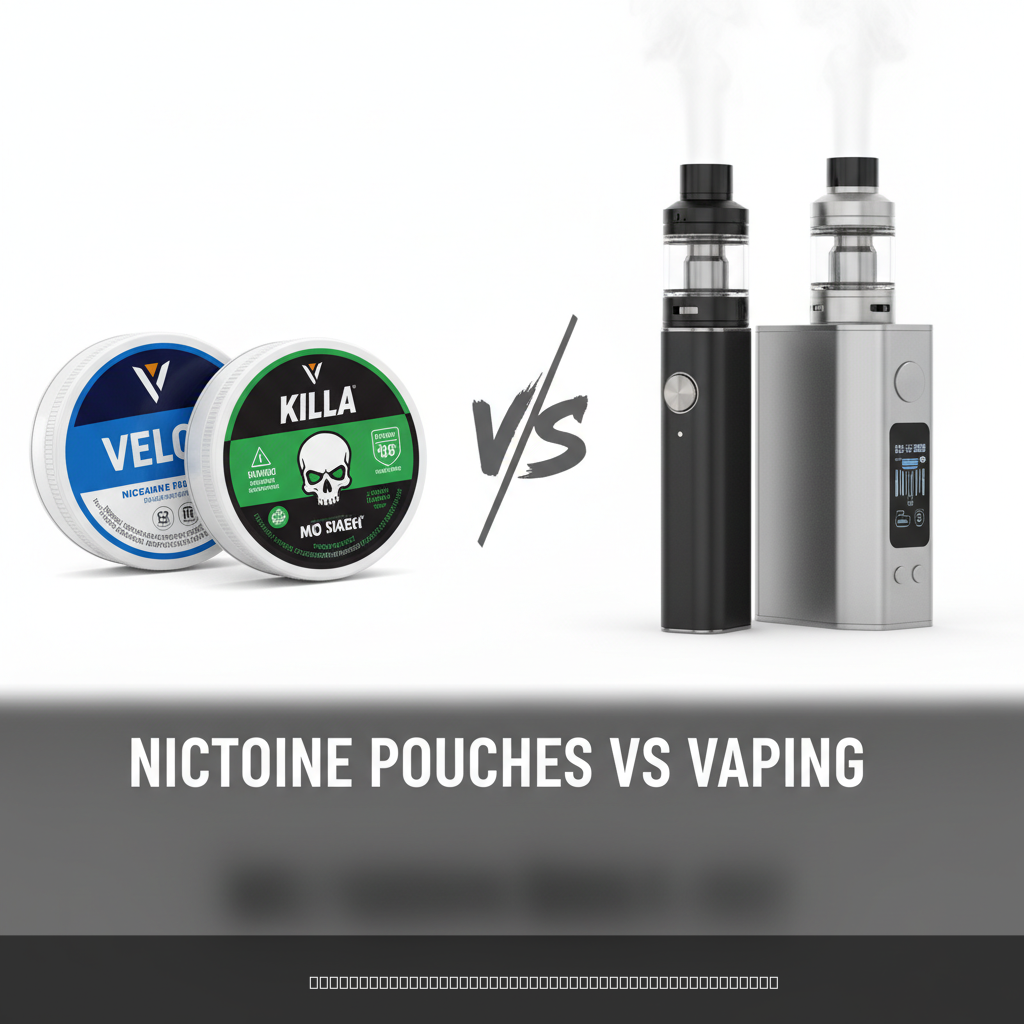
What Is Nicotine Pouches vs Vaping?
Nicotine pouches vs vaping compares two distinct tobacco-free nicotine delivery systems that have gained popularity across Europe. Nicotine pouches are small, white sachets containing nicotine salts, plant fibers, and flavorings that users place between their gum and lip for absorption through oral tissues. Vaping, also known as e-cigarettes, involves heating liquid nicotine solutions to create an aerosol that users inhale into their lungs. The fundamental difference lies in the delivery method: pouches use oral mucosa absorption while vapes rely on pulmonary absorption.Key Product Categories
The nicotine pouch market includes several strength categories:- Light strength: 2-4mg nicotine per pouch (ideal for light smokers)
- Medium strength: 6-8mg nicotine per pouch (most popular range)
- Strong strength: 10-14mg nicotine per pouch (heavy smokers)
- Extra strong: 16mg+ nicotine per pouch (experienced users only)
- Disposable vapes: Pre-filled, single-use devices
- Pod systems: Refillable cartridge-based devices
- Advanced mods: Customizable devices with variable settings
Market Positioning in 2026
According to recent industry analysis, both product categories serve the harm reduction market, but they attract different user preferences [1]. Nicotine pouches appeal to users seeking discretion and simplicity, while vaping attracts those who enjoy the ritual and sensory experience of inhalation.Pro Tip: If you're switching from cigarettes, consider your smoking patterns. Chain smokers often prefer vapes for the hand-to-mouth habit, while occasional smokers find pouches more convenient for controlled nicotine intake.
How Nicotine Delivery Works
The nicotine delivery mechanisms in pouches versus vaping operate through completely different biological pathways, affecting onset time, duration, and overall user experience.Nicotine Pouch Absorption Process
Nicotine pouches deliver their payload through the oral mucosa, specifically the buccal and sublingual tissues. When placed between the gum and lip, the pouch's moisture activates the nicotine salts, creating a solution that passes through the oral membrane directly into the bloodstream. This process typically takes 5-10 minutes for initial effects and peaks around 30-60 minutes. The absorption rate depends on several factors:- Pouch moisture content (higher moisture = faster absorption)
- pH levels (alkaline conditions enhance nicotine uptake)
- Individual oral pH and saliva production
- Pouch placement and contact pressure
Vaping Absorption Mechanics
Vaping delivers nicotine through pulmonary absorption in the lungs' alveoli. When users inhale the aerosol, nicotine molecules cross the lung membrane and enter the pulmonary circulation, reaching the brain within 10-20 seconds. The rapid onset makes vaping feel more similar to smoking cigarettes. Key factors affecting absorption include:- Inhalation technique (mouth-to-lung vs. direct-to-lung)
- Nicotine salt vs. freebase nicotine formulation
- Device power output and coil resistance
- E-liquid PG/VG ratio and nicotine concentration
Bioavailability Comparison
Research indicates that nicotine bioavailability differs significantly between the two methods. Vaping typically achieves 15-30% bioavailability, while nicotine pouches range from 20-40%, depending on the specific product formulation [2].| Delivery Method | Onset Time | Peak Effect | Duration |
|---|---|---|---|
| Nicotine Pouches | 5-10 minutes | 30-60 minutes | 45-90 minutes |
| Vaping | 10-20 seconds | 5-10 minutes | 30-45 minutes |
Safety and Health Considerations
When comparing nicotine pouches vs vaping from a health perspective, both products eliminate tobacco combustion but present different risk profiles that users should understand before making a choice.Respiratory Impact Differences
The most significant safety distinction involves respiratory exposure. Nicotine pouches completely eliminate inhalation risks since they don't produce any vapor or aerosol. This means no exposure to heated chemicals or potential lung irritation. Vaping, while substantially safer than smoking according to Public Health England, still involves inhaling heated substances into the lungs. The long-term effects of inhaling propylene glycol, vegetable glycerin, and flavoring compounds remain under study as of 2026 [3].Oral Health Considerations
Nicotine pouches present different oral health considerations compared to vaping. Regular pouch use can cause:- Gum irritation or recession at placement sites
- Temporary changes in oral pH levels
- Potential tooth staining with certain flavors
- Increased saliva production in some users
Addiction Potential Analysis
Both nicotine pouches and vaping carry addiction risks, but the delivery speed affects dependency development. Yale Medicine researchers note that the rapid nicotine delivery from vaping may create stronger addiction patterns, similar to cigarettes [4].Pro Tip: If you're concerned about addiction potential, start with the lowest effective nicotine strength in either product category. You can always increase strength, but reducing dependency is much more challenging.
Regulatory Safety Standards
As of 2026, both product categories face evolving regulatory frameworks across Europe. Nicotine pouches fall under novel food regulations in most EU countries, while vaping products are regulated under the Tobacco Products Directive (TPD). The Truth Initiative emphasizes that neither product should be considered completely safe, and both are intended for adult use only [5]. The key safety advantage of pouches is the elimination of inhalation-related risks.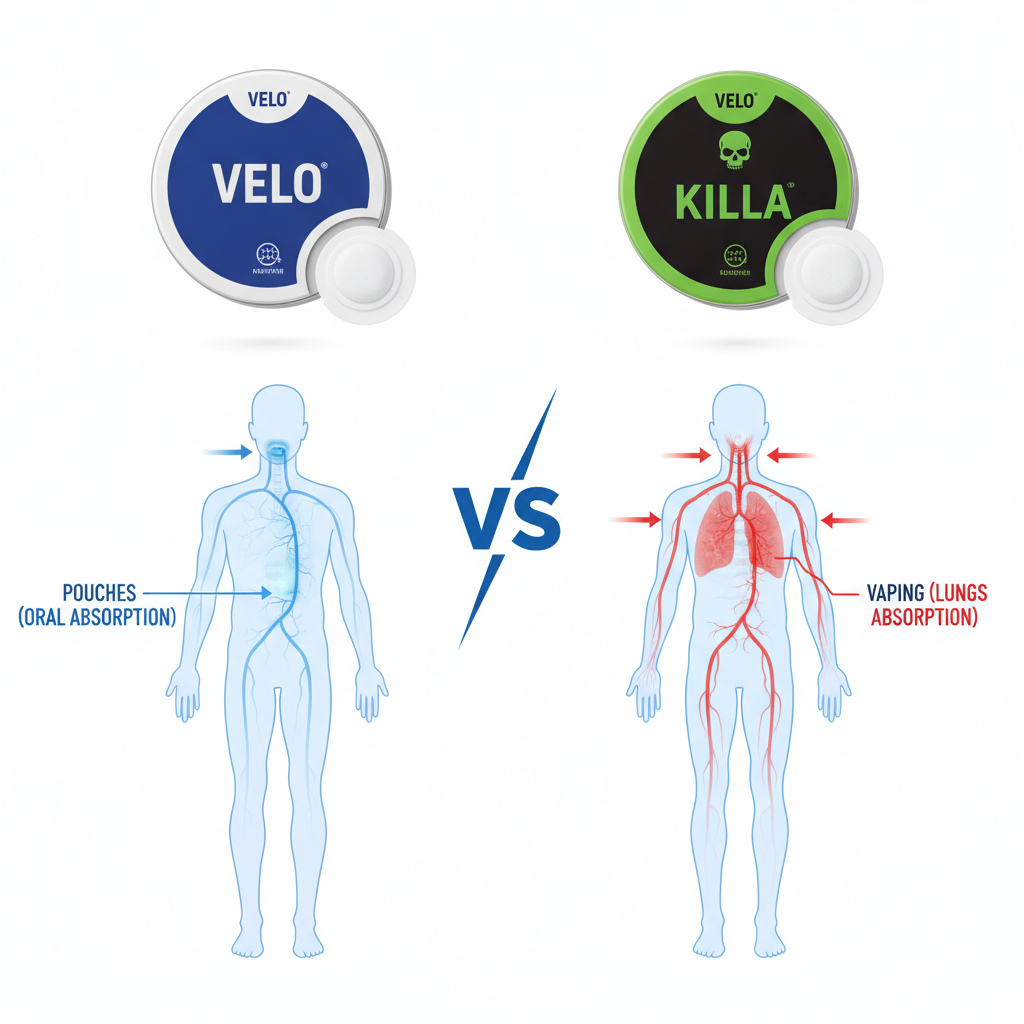
Cost and Convenience Comparison
The financial and practical aspects of nicotine pouches vs vaping reveal significant differences that impact long-term user satisfaction and budget considerations.Initial Investment Requirements
Nicotine pouches require no upfront equipment investment. Users simply purchase cans containing 15-24 pouches, typically priced between €3-8 per can across European markets. Premium brands like Pablo or Killa may cost slightly more, while value brands offer lower entry points. Vaping requires initial device investment ranging from €5 for basic disposables to €50+ for advanced pod systems. Ongoing costs include replacement coils (€2-5 each), e-liquid (€3-10 per bottle), and eventual device replacement.Daily Usage Costs
For moderate users consuming equivalent nicotine levels, daily costs break down as follows:| Usage Level | Nicotine Pouches | Vaping |
|---|---|---|
| Light (3-5 doses/day) | €1.50-2.50 | €2.00-3.00 |
| Moderate (6-10 doses/day) | €2.50-4.00 | €3.50-5.00 |
| Heavy (10+ doses/day) | €4.00-6.00 | €5.00-8.00 |
Convenience Factors
Nicotine pouches excel in convenience categories:- No charging requirements or battery anxiety
- Completely discrete usage without visible vapor
- No liquid spills or device maintenance
- Longer shelf life and temperature stability
- Airline travel-friendly with no liquid restrictions
- Instant nicotine satisfaction with rapid onset
- Adjustable nicotine intake per session
- Wide variety of flavors and experiences
- Familiar hand-to-mouth ritual for ex-smokers
Storage and Portability
Pouches win decisively in portability. A single can fits easily in any pocket and contains 15-24 doses. There's no risk of leakage, breaking, or temperature sensitivity. Vaping devices require more careful handling. E-liquid can leak, devices can break if dropped, and extreme temperatures affect battery performance and liquid consistency.User Experience and Effectiveness
The subjective experience of nicotine pouches vs vaping differs significantly, affecting user satisfaction and long-term adoption rates among adults transitioning from cigarettes.Sensory Experience Comparison
Nicotine pouches provide a subtle, gradual experience. Users report a slight tingling sensation when the pouch is first placed, followed by steady nicotine absorption. The experience is largely internal, without the visual or respiratory sensations of smoking. Vaping offers a more dynamic sensory experience that closely mimics smoking. Users get throat hit, flavor intensity, and the satisfaction of exhaling visible vapor. This multi-sensory approach often appeals more to recent ex-smokers.Effectiveness for Smoking Cessation
Research from 2026 indicates both products can effectively support smoking cessation, but success rates vary based on individual preferences and smoking patterns. Nordic Spirit's analysis suggests that success often depends on matching the product to the user's smoking triggers [6]. Chain smokers who smoke for stress relief often prefer vaping because it addresses both nicotine cravings and behavioral habits. Social smokers frequently find pouches more suitable because they can use them discretely in any environment.Flavor Variety and Satisfaction
The flavor experience differs substantially between categories: Nicotine pouch flavors tend to be:- Mint and menthol variations (most popular)
- Fruit flavors (berry, citrus, tropical)
- Coffee and tobacco notes
- Unique flavors like cola or energy drink
- Complex dessert and bakery flavors
- Beverage-inspired options
- Seasonal and limited edition releases
- Customizable flavor mixing options
Social Acceptance and Discretion
Nicotine pouches provide unmatched discretion. Users can consume them in meetings, restaurants, airplanes, and other environments where vaping is prohibited. There's no visible indication of use, making them socially acceptable in most situations. Vaping faces increasing social restrictions. Many venues that allow cigarette smoking outdoors now prohibit vaping indoors. The visible vapor clouds can draw unwanted attention and questions from non-users.Pro Tip: Consider your primary use environments when choosing. If you need nicotine during work hours, travel frequently, or value complete discretion, pouches offer clear advantages. If you enjoy the ritual and sensory aspects of smoking, vaping may feel more satisfying.
Long-term User Satisfaction
User retention data from 2026 shows interesting patterns. Pouch users report higher convenience satisfaction but sometimes miss the immediate gratification of faster nicotine delivery. Vape users appreciate the rapid effects but often cite device reliability and maintenance as ongoing frustrations. At DarePouch, we've found that many customers eventually use both products situationally - pouches for discrete environments and vapes for home use or social settings where vapor is acceptable.
Sources & References
- Nordic Spirit, "Nicotine Pouches vs Vapes: How Do They Compare?", 2026
- VELO, "Are Nicotine Pouches an Alternative to Smoking and Vaping?", 2026
- Cenikor, "Are Nicotine Pouches Safer than Chewing, Smoking or Vaping?", 2026
- Yale Medicine, "What Parents Should Know About Nicotine Pouches", 2026
- Truth Initiative, "Can oral nicotine pouches like Zyn help people quit vaping nicotine?", 2026
- Reddit Electronic Cigarette Community, "ZYN instead of vaping discussion", 2026
Frequently Asked Questions
1. Are nicotine pouches safer than vaping?
Understanding nicotine pouches vs vaping is essential. Nicotine pouches eliminate inhalation risks entirely, which many health experts consider a significant advantage over vaping. However, both products carry nicotine addiction risks and neither should be considered completely safe. Pouches avoid potential lung irritation from heated aerosols, but they can cause oral tissue irritation with extended use.
2. How many nicotine pouches equal a vape?
A 6mg nicotine pouch delivers roughly equivalent nicotine to 10-15 puffs from a standard vape device, though absorption rates differ significantly. Due to different delivery mechanisms, direct equivalency is difficult to establish. Most users find 3-4 pouches per day comparable to moderate vaping usage, but individual tolerance varies considerably.
3. Can nicotine raise AST levels?
Research indicates nicotine can temporarily elevate liver enzymes including AST (aspartate aminotransferase) and ALT, regardless of delivery method. This effect occurs with both pouches and vaping since it's related to nicotine metabolism rather than the consumption method. Regular monitoring is advisable for users with existing liver concerns.
4. Which is more cost-effective long-term?
Nicotine pouches typically offer better long-term value due to no equipment costs, no maintenance requirements, and predictable consumption patterns. While initial pouch costs may seem higher per unit, the total cost of ownership usually favors pouches over vaping when factoring in device replacement, coils, and e-liquid expenses.
5. Can I use both products together?
Many users successfully combine both products situationally - using pouches in restricted environments and vapes at home or socially. However, this approach requires careful nicotine monitoring to avoid overconsumption. Start with lower strengths in both categories if using them together, and be mindful of total daily nicotine intake.
6. Which works better for quitting smoking?
Success depends largely on your smoking patterns and triggers. Heavy smokers who smoke for stress relief often prefer vaping because it addresses behavioral habits alongside nicotine cravings. Light or social smokers frequently find pouches more convenient and effective for controlled nicotine replacement without the ritual aspects of smoking.
The choice between nicotine pouches vs vaping ultimately depends on your individual needs, lifestyle, and preferences. Pouches excel in discretion, convenience, and elimination of inhalation risks, while vaping offers rapid nicotine delivery and a more familiar experience for recent ex-smokers. Both products serve as effective tobacco-free alternatives when used appropriately. Consider your primary use environments, budget constraints, and health priorities when making your decision. Many users find success with either option, and some use both products situationally to maximize convenience and satisfaction. DarePouch offers extensive selections in both categories, with over 400 nicotine pouch options and growing vape product lines. Our climate-controlled storage ensures product freshness, while our bulk pricing and Dare Club membership provide significant cost savings for regular users across Europe.Recommended Articles
Explore more from our content library:
- Best Fruity Nicotine Pouch Flavours: Top 12 Picks 2026
- How to Store Nicotine Pouches: Complete 2026 Guide
- What Are CBD Pouches? Complete 2026 Guide & Benefits
- How to Switch From Smoking to Nicotine Pouches in 2026
- Best Mint Nicotine Pouches 2026: Top 12 Picks
Ready to take your results to the next level? Discover what DarePouch can do for you and see why businesses trust us to deliver real, measurable outcomes.


