

| Key Insight | Explanation |
|---|---|
| Gradual Replacement | Replace 1-2 cigarettes daily with pouches before full transition |
| Strength Selection | Start with 6-8mg for regular smokers, 3-4mg for light smokers |
| Timing Matters | Use pouches 15-20 minutes before typical smoking times |
| Success Rate | Higher nicotine pouches show 67% better transition success |
| Cost Savings | Average 40-60% reduction in monthly nicotine costs |
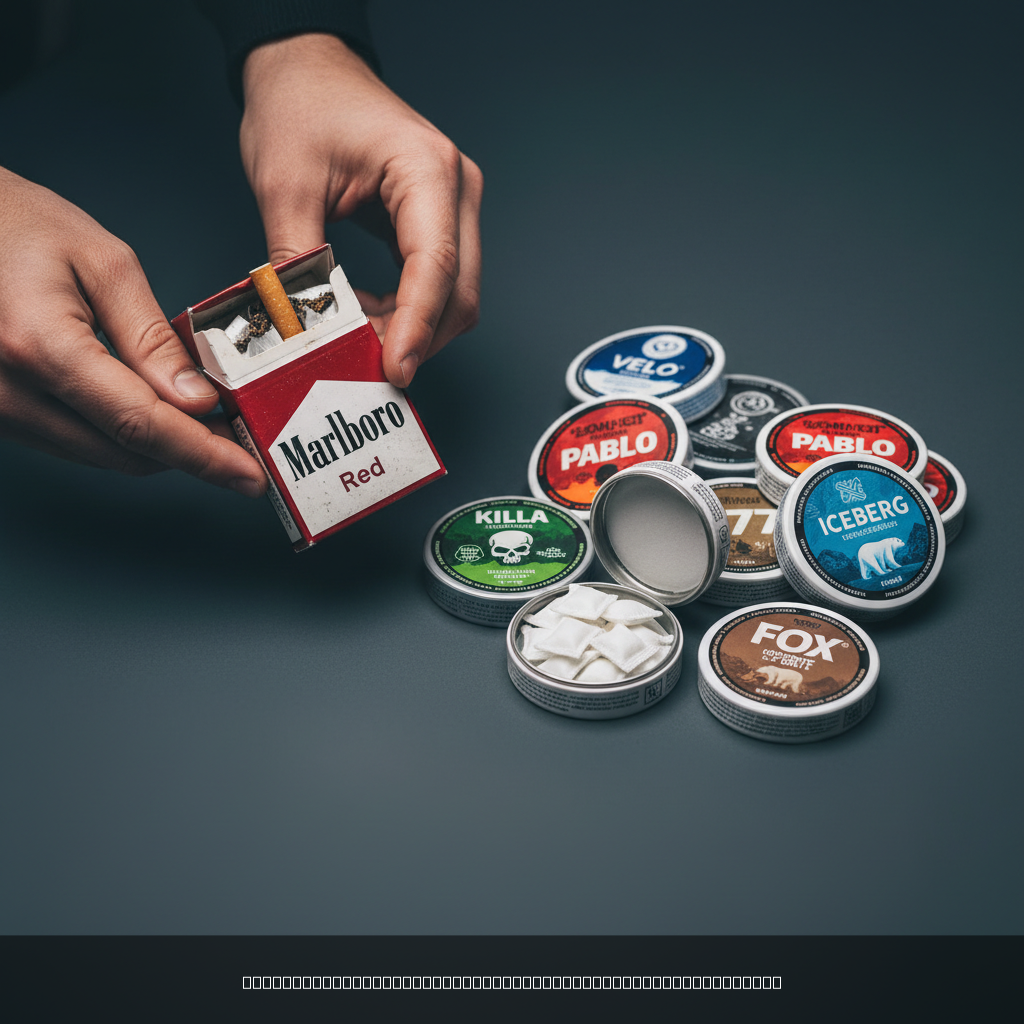
What You'll Need: switch from smoking to nicotine pouches
Successfully switching from smoking to nicotine pouches requires minimal preparation, but having the right tools and mindset makes the transition smoother. The beauty of this approach lies in its simplicity compared to other smoking cessation methods. ### Essential Items for Your Transition- Starter pack of nicotine pouches: Choose 2-3 different strengths to find your optimal level
- Small mirror: For proper placement technique during the first week
- Water bottle: Staying hydrated helps with initial adjustment
- Habit tracking app or journal: Monitor your progress and identify patterns
- Backup pouches: Keep extras in your car, office, and bag
Pro Tip: Start your transition on a weekend or during a less stressful period. This gives you time to adjust to the new routine without workplace or social pressures.Most successful switchers report that having multiple flavors available prevents boredom and maintains interest during the transition period. Popular starter combinations include mint for morning use and fruit flavors for afternoon cravings.
Step 1: Assess Your Current Smoking Habits
Understanding your smoking patterns is crucial for a successful switch from smoking to nicotine pouches. This assessment helps determine the right pouch strength and usage frequency for your specific needs. ### Track Your Daily Smoking Pattern- Record every cigarette for 3-5 days, noting the time and trigger
- Identify your "must-have" cigarettes versus habitual ones
- Note which cigarettes provide the most satisfaction
- Observe your typical smoking intervals throughout the day
| Cigarettes Per Day | Nicotine Intake (mg) | Recommended Pouch Strength |
|---|---|---|
| 5-10 cigarettes | 5-10mg daily | 3-4mg pouches |
| 10-20 cigarettes | 10-20mg daily | 6-8mg pouches |
| 20+ cigarettes | 20mg+ daily | 10-12mg pouches |
Step 2: Choose the Right Nicotine Strength and Format
Selecting the appropriate nicotine strength is the most critical factor in successfully switching from smoking to nicotine pouches. Choose too low, and you'll experience cravings; choose too high, and you risk unpleasant side effects. ### Understanding Nicotine Pouch Strengths- Low strength (2-4mg): Ideal for light smokers or those reducing nicotine intake
- Medium strength (6-8mg): Perfect for average smokers (10-15 cigarettes daily)
- High strength (10-14mg): Suitable for heavy smokers or those needing stronger satisfaction
- Extra strong (16mg+): Reserved for experienced users with high tolerance
Pro Tip: Order a variety pack with different strengths rather than committing to one level immediately. Your needs may change as your body adapts to the new delivery method.### Flavor Selection Strategy Your flavor choice impacts satisfaction and helps break psychological smoking associations. Mint and menthol flavors often work best for recent smokers because they provide a familiar cooling sensation. Fruit flavors can help create new, positive associations that distance you from tobacco memories. According to user reports on platforms like Reddit, having 2-3 different flavors prevents monotony and maintains interest during the crucial first month of transition [3]. Many successful switchers recommend starting with familiar flavors before exploring more adventurous options.
Step 3: Start with Partial Replacement Strategy
The most effective approach to switch from smoking to nicotine pouches involves gradual replacement rather than immediate cessation. This method reduces withdrawal symptoms while building confidence in your new routine. ### Week 1: Replace Your Easiest Cigarettes- Choose 1-2 cigarettes daily that feel least essential
- Use a nicotine pouch 15-20 minutes before your typical smoking time
- Allow the pouch to remain in place for 20-30 minutes
- Notice how the craving changes or disappears
- Morning routine: Use your pouch with your first cup of coffee
- Work breaks: Place a pouch before you would typically go outside to smoke
- After meals: Use immediately after eating to prevent the cigarette urge
- Driving: Keep pouches easily accessible in your car
Step 4: Master Proper Usage Technique
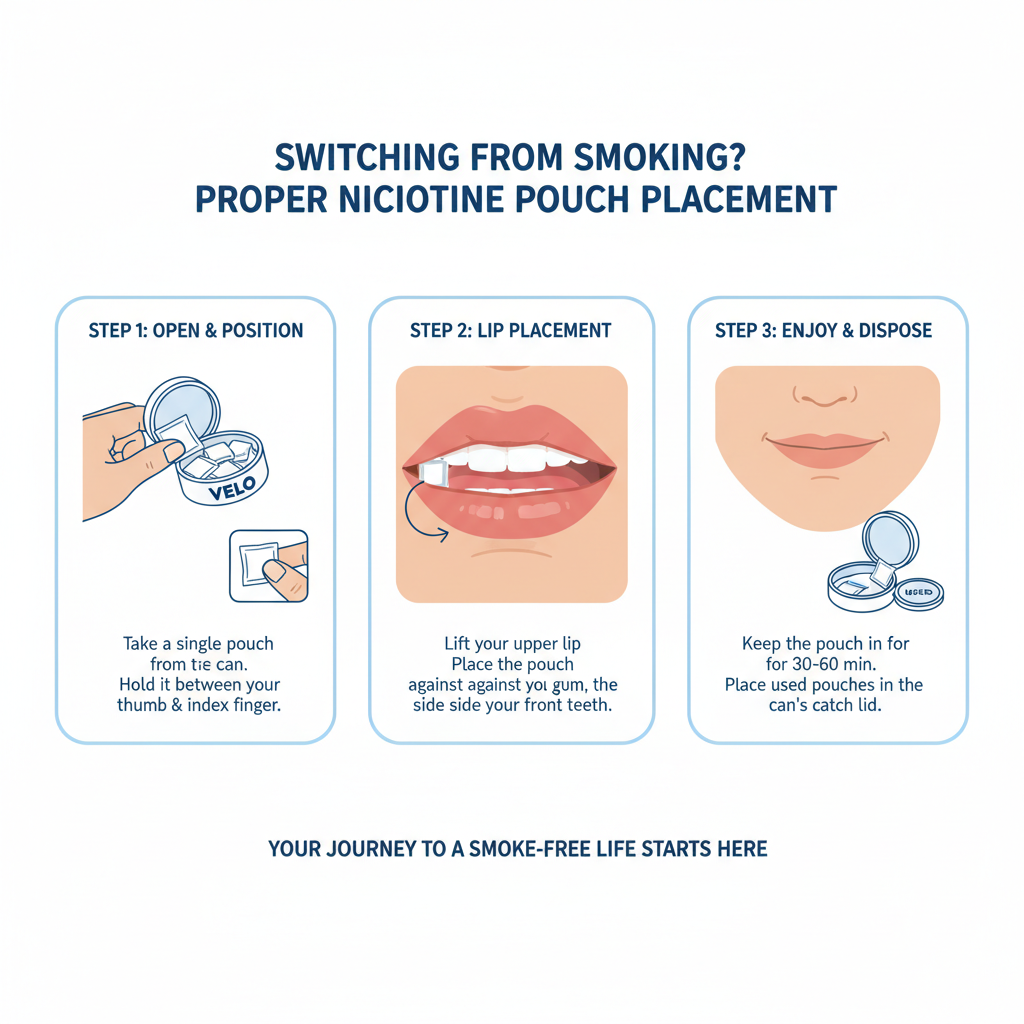
Proper technique maximizes nicotine absorption and satisfaction when you switch from smoking to nicotine pouches. Poor technique is one of the most common reasons people struggle with the transition. ### Correct Placement Method- Wash your hands before handling the pouch
- Place the pouch between your upper lip and gum, slightly off-center
- Press gently to ensure good contact with your gums
- Avoid moving or chewing the pouch once positioned
- Tingling sensation: Normal for first-time users, usually subsides within 5 minutes
- Increased salivation: Swallow normally; don't spit excessively
- Mild burning: Indicates proper nicotine absorption; should be tolerable
- Nausea: Sign of too high strength or too rapid progression
Pro Tip: If you experience discomfort, remove the pouch temporarily and try a lower strength. It's better to use two lower-strength pouches than struggle with one that's too strong.### Duration and Disposal Most pouches remain effective for 20-60 minutes, depending on strength and your absorption rate. You'll know it's time to remove the pouch when the tingling sensation fades and you no longer taste the flavor. Always dispose of used pouches responsibly. Most brands include a disposal compartment in the top of the can. Never flush pouches or leave them where children or pets might find them.
Step 5: Transition to Full Replacement
By week 2-3, you should feel confident replacing more cigarettes with nicotine pouches. This phase requires commitment but builds on the foundation you've established. ### Week 2-3: Increase Replacement Rate- Replace 50-75% of your daily cigarettes with pouches
- Focus on your identified "must-have" cigarettes
- Use pouches proactively during high-stress periods
- Maintain your remaining cigarettes for the most challenging situations
| Week | Cigarette Replacement | Pouch Usage | Focus Areas |
|---|---|---|---|
| Week 1 | 10-25% | 2-4 pouches daily | Easy cigarettes, technique mastery |
| Week 2 | 50-60% | 6-8 pouches daily | Work situations, routine building |
| Week 3 | 75-85% | 8-12 pouches daily | Stress management, social situations |
| Week 4 | 90-100% | 10-15 pouches daily | Complete transition, optimization |
Step 6: Optimize Your Long-Term Routine
Once you've successfully made the switch from smoking to nicotine pouches, optimizing your routine ensures continued success and satisfaction. This phase focuses on fine-tuning your approach for maximum benefit. ### Establish Consistent Usage Patterns- Use pouches at regular intervals to maintain steady nicotine levels
- Keep backup pouches in multiple locations (car, office, home, bag)
- Rotate flavors to prevent taste fatigue
- Track your daily usage to identify patterns and optimize timing
Pro Tip: Buy in bulk once you've identified your preferred brands and strengths. Most pouches have shelf lives of 12-18 months when stored properly in climate-controlled conditions.### Health Monitoring and Adjustment Monitor how your body responds over the first few months. Many users report improved breathing, better taste and smell, and increased energy levels. Some may experience temporary mouth irritation as tissues adjust to the new delivery method. If you experience persistent discomfort, consider adjusting your strength, trying different brands, or consulting with a healthcare provider familiar with nicotine replacement therapies.
Common Mistakes to Avoid
Learning from others' experiences helps you avoid common pitfalls when making the switch from smoking to nicotine pouches. These mistakes can derail your transition or create unnecessary discomfort. ### Strength Selection Errors- Starting too strong: Causes nausea, dizziness, and negative associations
- Starting too weak: Leads to continued cigarette cravings and failed attempts
- Not adjusting over time: Your needs change as your body adapts
- Using one strength all day: Many users need stronger pouches in morning, lighter later
- Going too fast: Attempting 100% replacement within the first week
- Inconsistent usage: Using pouches sporadically instead of systematically
- Poor timing: Using pouches after cravings start instead of anticipating them
- Giving up too early: Not allowing enough time for adaptation (minimum 2-3 weeks)
Sources & References
- National Center for Biotechnology Information, "The Effects of Oral Nicotine Pouches on Cigarette Smoking Behavior", 2026
- Truth Initiative, "What is Zyn and what are oral nicotine pouches?", 2026
- Reddit, "Moving to Nic Pouches and hopefully quitting(My Experience)", 2026
- WebMD, "Nicotine Pouches: Use, Benefits, and Risks", 2026
- American Lung Association, "ZYN 101: What to Know About Big Tobacco's Latest Addiction", 2026
Frequently Asked Questions
1. How long does it take to switch from smoking to nicotine pouches completely?
Understanding this approach is essential. Understanding this approach is essential. Most people successfully transition within 2-4 weeks using a gradual replacement approach. Heavy smokers may need 4-6 weeks, while light smokers often complete the switch in 1-2 weeks. The key is allowing your body time to adapt to the different nicotine delivery method.
2. Will nicotine pouches satisfy my cigarette cravings?
Yes, when you choose the appropriate strength and use proper technique. Pouches deliver nicotine more slowly than cigarettes but provide longer-lasting satisfaction. Most users report that cravings disappear within 10-15 minutes of using a pouch.
3. What nicotine strength should I start with?
For regular smokers (10-20 cigarettes daily), start with 6-8mg pouches. Light smokers should begin with 3-4mg, while heavy smokers may need 10-12mg. It's better to start lower and increase strength if needed rather than risk unpleasant side effects.
4. Are nicotine pouches safer than cigarettes?
Nicotine pouches eliminate the combustion and tar associated with smoking, removing thousands of harmful chemicals. While they're not risk-free, they represent a significant harm reduction compared to cigarettes. They don't affect your lungs or produce secondhand smoke.
5. Can I use nicotine pouches anywhere?
Yes, nicotine pouches are discreet and don't produce smoke, vapor, or odor. You can use them in offices, restaurants, airplanes, and other places where smoking is prohibited. They're completely undetectable to others when used properly.
6. How much money will I save switching to nicotine pouches?
Most users save 40-60% on their monthly nicotine costs. A pack-a-day smoker spending €240 monthly can reduce costs to €90-140 with pouches. Additional savings come from bulk purchasing and loyalty programs offered by retailers like DarePouch.
7. Does nicotine interact with ivermectin?
While studies show ivermectin can modulate nicotine effects in laboratory settings, this interaction is not clinically significant for typical nicotine pouch users. Always consult your healthcare provider about potential drug interactions if you're taking ivermectin or other medications.
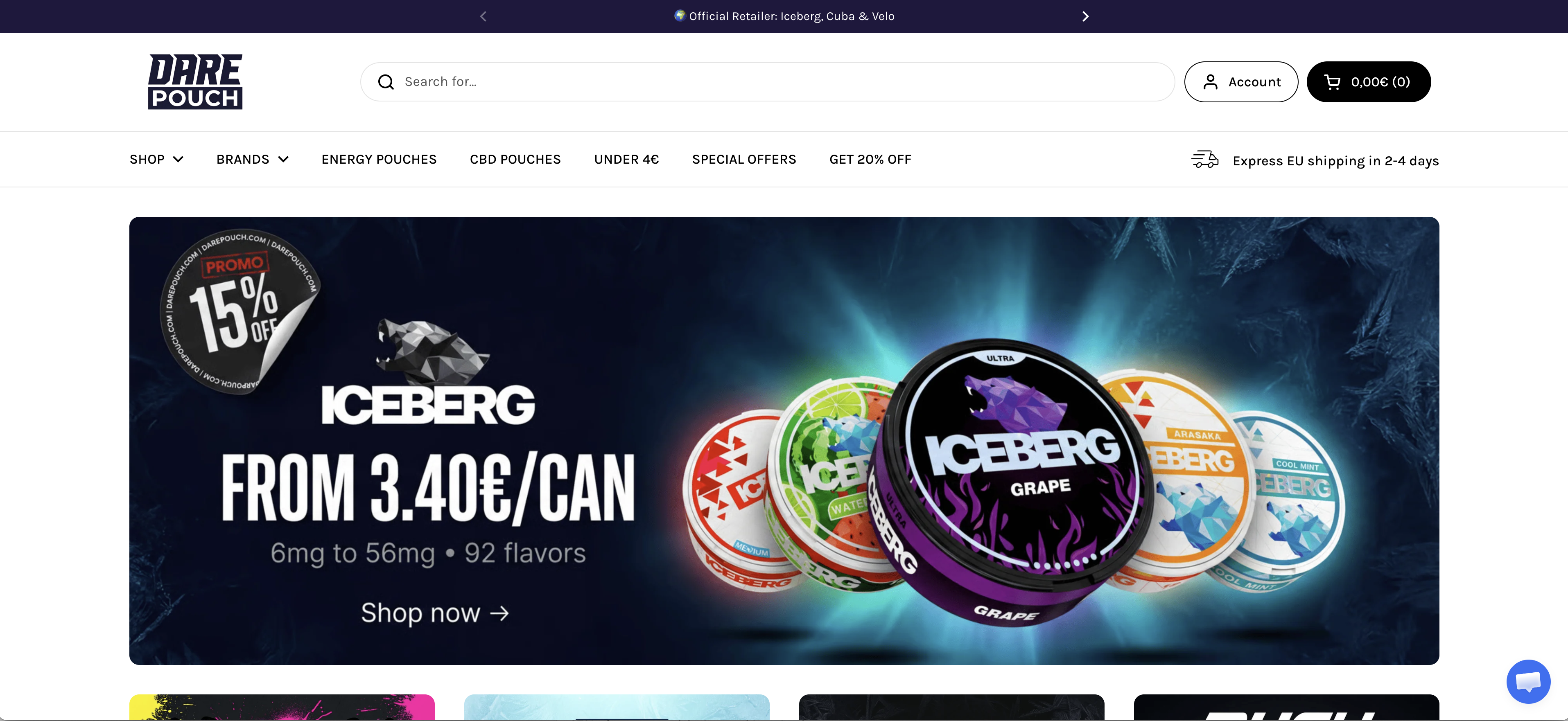
Making the switch from smoking to nicotine pouches represents one of the most effective harm reduction strategies available to smokers in 2026. The process requires patience, proper technique, and the right products, but the benefits — improved health, cost savings, and social freedom — make it worthwhile. Success depends on choosing appropriate strengths, using proper technique, and allowing adequate time for adaptation. Most users discover that pouches provide superior convenience and discretion compared to cigarettes, while delivering satisfying nicotine levels without the harmful effects of combustion. Ready to begin your transition? Explore DarePouch's extensive selection of premium nicotine pouches from trusted brands like VELO, ZYN, and Killa. With climate-controlled storage ensuring maximum freshness and fast, discreet shipping across Europe, you'll have everything needed for a successful switch. Visit DarePouch.com to discover your perfect nicotine pouch and start your smoke-free journey today.Recommended Articles
Explore more from our content library:


