

| Key Insight | Explanation |
|---|---|
| Tobacco-free nicotine pouches lead the market | As of 2026, synthetic nicotine pouches are the most popular chewing tobacco alternative, offering controlled nicotine delivery without tobacco leaf, stems, or spit. |
| Strength options range from 4mg to 50mg | Modern alternatives come in a wide spectrum of nicotine strengths, allowing users to match their current tolerance or gradually taper down over time. |
| Non-nicotine options exist too | Energy pouches with caffeine, herbal snuff, and CBD pouches provide the oral ritual without any nicotine, ideal for those quitting entirely. |
| Freshness and storage matter | Pouches stored in climate-controlled conditions retain flavor and potency far longer than those kept in standard warehouse environments. |
| Flavor variety surpasses traditional chew | Alternatives now offer 50+ flavor profiles, from classic mint and wintergreen to tropical fruit blends and coffee, far exceeding what traditional chewing tobacco provides. |
| Cost savings are significant with bulk buying | Purchasing chewing tobacco alternatives in bulk (10+ cans) can reduce per-unit costs by 15–20%, making the switch financially attractive as well. |
Millions of people are actively searching for chewing tobacco alternatives that deliver satisfaction without the well-documented health risks of traditional smokeless tobacco. Whether you're trying to quit chewing tobacco entirely or simply want a cleaner, more discreet option, the market in 2026 offers more choices than ever before. This guide ranks the 10 best alternatives based on effectiveness, flavor, accessibility, health profile, and user satisfaction, drawing on the latest research and real-world experience from the tobacco-free pouch industry.
1. Tobacco-Free Nicotine Pouches
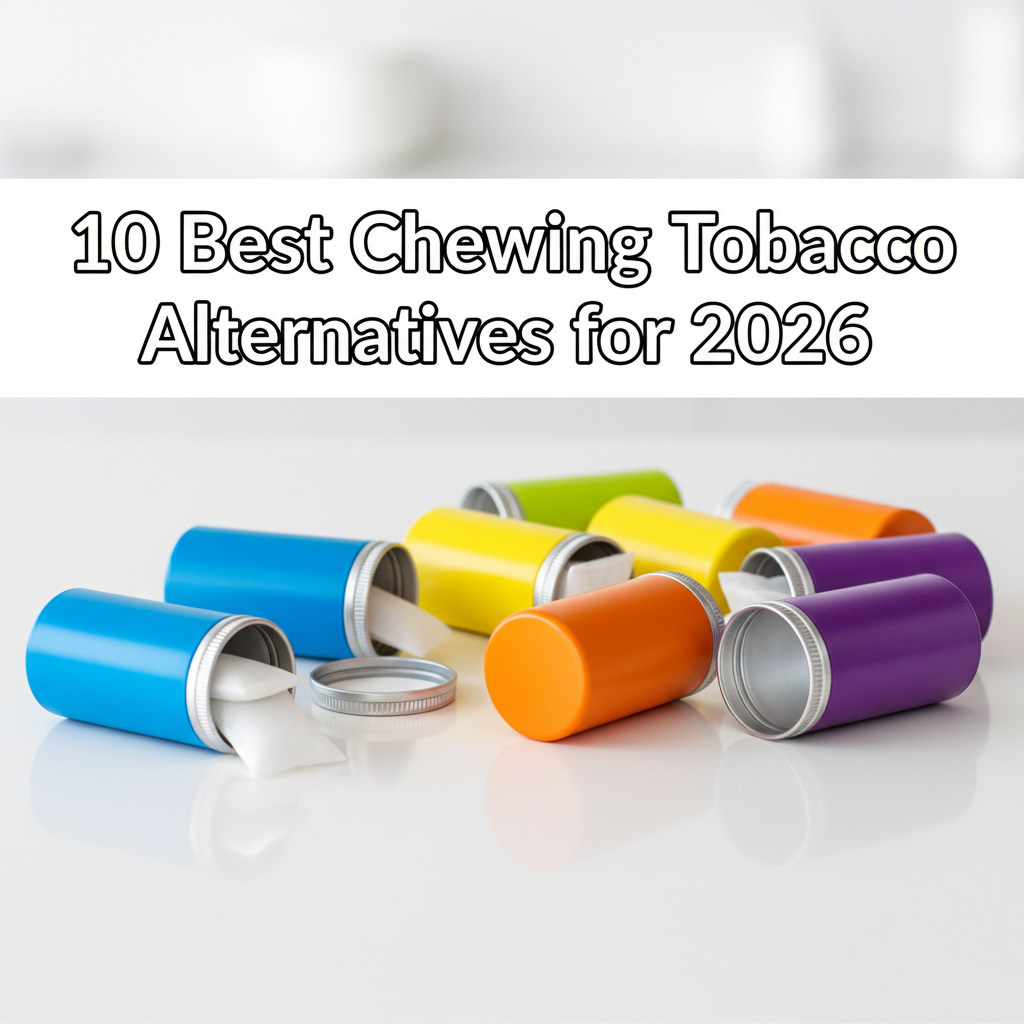
Tobacco-free nicotine pouches are the single most effective chewing tobacco alternative available in 2026, delivering nicotine without any tobacco leaf. These small, white pouches sit between the lip and gum, releasing nicotine through the oral mucosa over 20–60 minutes [1].
Why They're the Top Choice
Nicotine pouches have surged in popularity since 2020 and are now the second most popular tobacco product category among young adults, according to the Truth Initiative [2]. They require no spitting, produce no staining, and are virtually odorless. Brands like ICEBERG, KILLA, PABLO, and VELO offer strengths ranging from a mild 4mg all the way up to an intense 50mg.
From experience, the biggest advantage of nicotine pouches over traditional chew is the sheer variety. You can choose from dozens of flavors (mint, citrus, berry, coffee, tropical) and dial in a nicotine strength that matches your current habits. That flexibility makes them ideal for both current chewers looking to switch and those planning to gradually reduce nicotine intake.
- Pros: No tobacco, no spit, discreet, wide range of strengths and flavors, widely available online
- Cons: Still contains nicotine (addictive), not suitable for those wanting to quit nicotine entirely
- Best for: Current chewing tobacco users who want a cleaner nicotine experience without giving up nicotine itself
DarePouch stocks over 500 tobacco-free nicotine pouch products from 15+ premium brands, all kept in climate-controlled fridge storage to guarantee freshness. That's a detail most online retailers overlook, and it makes a noticeable difference in flavor and potency.
Pro Tip: If you're switching from chewing tobacco for the first time, start with a medium-strength pouch (8–12mg) in a familiar flavor like wintergreen or mint. This closely mimics the oral sensation of traditional chew without overwhelming you.
2. Herbal Snuff and Chew
Herbal snuff is a completely nicotine-free and tobacco-free chewing tobacco alternative made from dried herbs, tea leaves, or plant fibers. It replicates the texture and ritual of traditional chew without any addictive substances [3].
What's Inside
Most herbal snuff products use a base of mint leaves, corn silk, or clover, combined with natural flavorings. The American Academy of Family Physicians has long recommended oral substitutes like nontobacco mint-leaf snuff for people trying to quit smokeless tobacco [4]. In 2026, the formulations have improved significantly, with better moisture retention and more authentic flavor profiles.
Pros, Cons, and Ideal Users
- Pros: Zero nicotine, zero tobacco, satisfies the oral fixation, widely available
- Cons: Won't satisfy nicotine cravings, taste can differ noticeably from real chew
- Best for: People who want to quit nicotine entirely but still miss the physical ritual of packing a lip
Herbal snuff works best as a behavioral replacement. If your habit is more about the hand-to-mouth ritual and the feeling of something in your lip, this category covers that gap effectively. Many users combine herbal snuff with nicotine pouches during the transition period, using nicotine pouches for cravings and herbal snuff for routine moments.
3. Energy and Caffeine Pouches
Energy pouches are a nicotine-free, caffeine-based alternative to chewing tobacco that provide a mild stimulant effect through the oral mucosa. They're one of the fastest-growing product categories in the smokeless alternatives market as of 2026.
How They Work
These pouches typically contain 50–100mg of caffeine per pouch, along with B-vitamins and sometimes taurine. You use them exactly like a nicotine pouch: tuck one between your lip and gum, and the caffeine absorbs over 20–30 minutes. The stimulant effect can partially satisfy the "buzz" that chewing tobacco users associate with nicotine.
Industry analysts suggest that the energy pouch segment grew by over 40% between 2024 and 2026, driven by consumers who want an oral stimulant without nicotine dependency. DarePouch carries a curated selection of energy and caffeine pouches for exactly this reason, providing an option for those who want the pouch experience with zero nicotine risk.
- Pros: No nicotine, no tobacco, provides a mild energy boost, familiar pouch format
- Cons: Caffeine sensitivity may be an issue for some, doesn't replicate the nicotine "hit"
- Best for: People quitting nicotine who still want a stimulant effect, or anyone seeking an afternoon pick-me-up without coffee
4. CBD Pouches
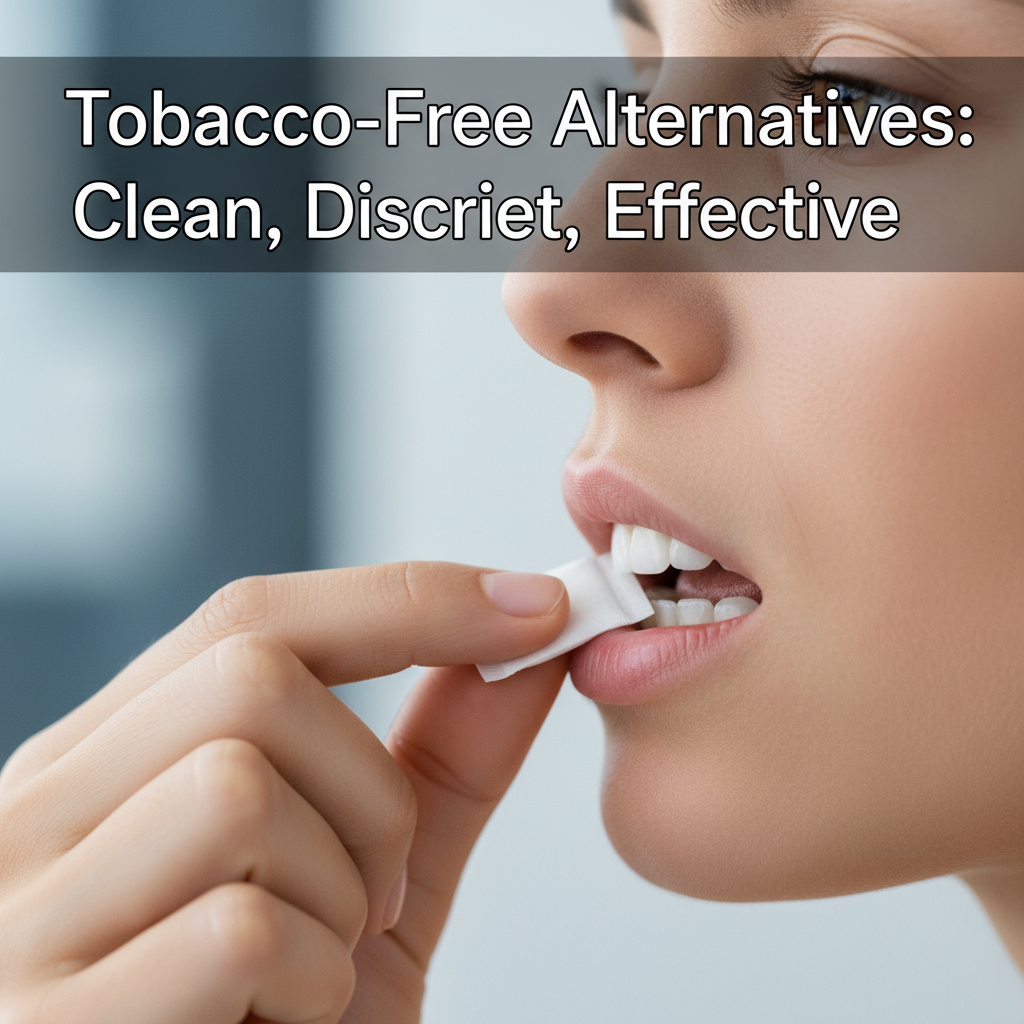
CBD pouches deliver cannabidiol through the oral mucosa, offering a calming, non-intoxicating alternative to chewing tobacco. They contain no nicotine, no tobacco, and no THC in most formulations.
The Wellness Angle
CBD (cannabidiol) has been studied for its potential to reduce anxiety and promote relaxation [5]. For chewing tobacco users who relied on the calming ritual of dipping, CBD pouches can address both the physical habit and the psychological comfort. Research from Cenikor Foundation notes that many users seek tobacco-free options specifically to reduce health risks while maintaining some form of oral satisfaction [6].
- Pros: No nicotine, no tobacco, potential calming effects, discreet format
- Cons: CBD effects vary by individual, regulatory landscape still evolving, won't address nicotine cravings
- Best for: Users who chewed tobacco partly for stress relief and want a wellness-oriented alternative
DarePouch offers CBD pouches alongside its nicotine and energy pouch ranges, giving customers the ability to explore multiple chewing tobacco alternatives in one place. All products ship discreetly across the UK and Europe.
5. Nicotine Lozenges
Nicotine lozenges are an FDA-recognized nicotine replacement therapy (NRT) that dissolves slowly in the mouth, providing controlled nicotine delivery. They're a medically endorsed alternative to chewing tobacco for people who want structured cessation support [7].
Clinical Backing
Unlike consumer nicotine pouches, lozenges are classified as over-the-counter medications. They come in standardized strengths (typically 2mg and 4mg) and are designed for a tapering schedule. The FDA categorizes various oral nicotine and tobacco products, and lozenges fall under approved cessation aids [7].
- Pros: Clinically proven, available at pharmacies, structured quit plan, no spitting
- Cons: Limited flavors, medicinal taste, lower nicotine satisfaction for heavy chewers
- Best for: People committed to quitting nicotine entirely, following a structured tapering program
Lozenges work well as a complement to other chewing tobacco alternatives. Some users start with nicotine pouches for immediate satisfaction and then transition to lozenges for the final phase of their quit journey.
6. Nicotine Gum
Nicotine gum is one of the oldest and most widely available chewing tobacco alternatives, delivering nicotine through a "chew and park" technique. It satisfies both the nicotine craving and the jaw-movement habit associated with chewing tobacco.
How to Use It Effectively
The correct technique matters. You chew the gum slowly until you feel a tingling sensation, then park it between your cheek and gum. This "chew and park" cycle releases nicotine gradually. Most brands offer 2mg and 4mg options.
- Chew the gum slowly until you notice a peppery or tingling taste
- Park the gum between your cheek and gum for about one minute
- Resume chewing and repeat the cycle for approximately 30 minutes
- Don't eat or drink for 15 minutes before use
- Pros: Widely available, satisfies chewing motion, clinically proven NRT
- Cons: Can cause jaw soreness, limited flavors, some users find the taste unpleasant
- Best for: Chewing tobacco users who specifically miss the chewing motion and want a pharmacy-available solution
7. Tobacco-Free Long Cut Dip
Tobacco-free long cut dip replicates the exact texture, moisture, and packing experience of traditional dipping tobacco without using any tobacco leaf. It's designed for users who want the most authentic chewing tobacco alternative possible.
The Closest Replica
These products use plant-based fibers cut to the same length and consistency as traditional long cut. They're typically flavored with wintergreen, mint, or straight flavoring to match popular dip profiles. Some versions contain synthetic nicotine, while others are completely nicotine-free [8].
- Pros: Most authentic feel and ritual, available with or without nicotine, familiar flavors
- Cons: Still requires spitting (in most cases), less discreet than pouches, limited brand selection in Europe
- Best for: Dedicated dippers who want to replicate the exact experience of traditional long cut without tobacco
While long cut alternatives are popular in the United States, European consumers increasingly prefer the cleaner, spit-free pouch format. That shift explains why nicotine pouches dominate the European market for chewing tobacco alternatives in 2026.
Pro Tip: If you're transitioning from long cut dip and find pouches too different, try starting with tobacco-free long cut for the first two weeks, then gradually introduce pouches. This two-step approach has a higher success rate for permanent switching.
8. Sunflower Seed and Jerky Chew
Sunflower seeds and shredded beef jerky "chew" are simple, food-based alternatives that address the oral fixation component of chewing tobacco without any nicotine or tobacco. The AAFP has recommended these as oral substitutes since 2000 [4].
Simple but Effective
These aren't high-tech products. Sunflower seeds give you something to crack and chew. Jerky chew (shredded beef jerky packaged like dip) mimics the pinching and packing ritual. Neither contains nicotine, so they won't address chemical cravings, but they keep your mouth busy.
- Pros: Zero nicotine, zero chemicals, inexpensive, available everywhere
- Cons: No nicotine satisfaction, high sodium content, not discreet, messy
- Best for: Casual chewers whose habit is more behavioral than chemical, or as a supplementary aid alongside NRT
9. Nicotine Toothpicks
Nicotine toothpicks are infused wooden or plastic toothpicks that deliver small amounts of nicotine orally. They're an ultra-discreet alternative to chewing tobacco that satisfies both the oral fixation and nicotine craving simultaneously.
Niche but Growing
Each toothpick typically contains 1–3mg of nicotine, making them a low-dose option. You simply chew or hold the toothpick in your mouth, and nicotine absorbs through the gum tissue. The format is extremely discreet, as nobody would guess a toothpick contains nicotine.
- Pros: Extremely discreet, low nicotine dose, satisfies oral fixation
- Cons: Very low nicotine delivery (may not satisfy heavy users), limited flavor options, less studied than pouches
- Best for: Light chewing tobacco users or those in the final stages of nicotine reduction who need minimal doses
10. Mint Leaf Snuff
Mint leaf snuff is a traditional, completely tobacco-free and nicotine-free product made from dried, ground mint leaves. It provides a cooling sensation in the lip that can partially mimic the tingle of chewing tobacco.
Old-School Alternative, New Relevance
This is one of the original chewing tobacco alternatives, and it's still relevant in 2026. The AAFP specifically mentions nontobacco mint-leaf snuff as an oral substitute for smokeless tobacco users [4]. Modern versions have improved significantly in texture and moisture retention.
- Pros: Zero nicotine, zero tobacco, natural ingredients, cooling sensation
- Cons: No nicotine delivery, taste is distinctly different from tobacco, limited availability in some regions
- Best for: People who have already overcome nicotine dependence but still crave the physical ritual of having something in their lip
How to Choose the Right Chewing Tobacco Alternative in 2026
Selecting the best chewing tobacco alternative depends on your nicotine needs, preferred format, and ultimate goal. There's no single "best" product for everyone, but a clear decision framework can simplify the process.
Decision Framework: Three Key Questions
- Do you still want nicotine? If yes, nicotine pouches, gum, lozenges, or toothpicks are your options. If no, consider herbal snuff, energy pouches, CBD pouches, or food-based alternatives.
- How important is discretion? Pouches and toothpicks are the most discreet. Long cut dip and sunflower seeds are the least discreet.
- What's your end goal? If you want to quit nicotine entirely, choose a product with a tapering path (lozenges, gum, or decreasing-strength pouches). If you just want a cleaner alternative, nicotine pouches offer the most satisfying long-term switch.
Comparison Table: All 10 Chewing Tobacco Alternatives
| Alternative | Contains Nicotine? | Spit-Free? | Discretion Level | Best For |
|---|---|---|---|---|
| Tobacco-Free Nicotine Pouches | Yes (4–50mg) | Yes | High | Switching from chew |
| Herbal Snuff | No | No | Medium | Quitting nicotine entirely |
| Energy/Caffeine Pouches | No | Yes | High | Stimulant without nicotine |
| CBD Pouches | No | Yes | High | Stress relief, wellness |
| Nicotine Lozenges | Yes (2–4mg) | Yes | High | Structured quit programs |
| Nicotine Gum | Yes (2–4mg) | Yes | Medium | Chewing motion + NRT |
| Tobacco-Free Long Cut | Varies | No | Low | Authentic dip experience |
| Sunflower Seeds/Jerky | No | No | Low | Behavioral habit only |
| Nicotine Toothpicks | Yes (1–3mg) | Yes | Very High | Ultra-low dose, final taper |
| Mint Leaf Snuff | No | No | Medium | Post-nicotine oral ritual |
Pro Tip: Don't limit yourself to one alternative. In practice, the most successful quitters use a combination approach: nicotine pouches for strong cravings, energy pouches during work hours, and herbal snuff or seeds for idle moments. Rotating products prevents over-reliance on any single one.
What to Look for in Quality and Freshness
Not all alternatives are created equal. Freshness is a critical factor that most buyers overlook. Nicotine pouches stored in climate-controlled conditions retain their flavor and nicotine potency far longer than products sitting in a warm warehouse for months. This is one reason DarePouch uses dedicated fridge storage for every product, a practice that standard retailers simply don't follow.
Other quality indicators include:
- Ingredient transparency: Look for brands that clearly list all ingredients and nicotine sources
- Nicotine source: Synthetic (tobacco-free) nicotine vs. tobacco-derived nicotine affects regulatory classification and purity
- Moisture level: Properly stored pouches feel soft and moist. Dry, crumbly pouches indicate poor storage or old stock
- Brand reputation: Stick with established brands that undergo third-party testing

Why Chewing Tobacco Alternatives Are Dominating the Market
The rapid growth of chewing tobacco alternatives isn't happening by accident. According to a 2024 report by Grand View Research, the global tobacco-free nicotine pouch market was valued at approximately $3.2 billion and is projected to grow at a compound annual growth rate (CAGR) of 35.7% through 2030. This explosive expansion reflects a fundamental shift in consumer behavior: users want the ritual and satisfaction of smokeless tobacco without the health consequences tied to tobacco leaf. As awareness of oral cancer risks, gum disease, and cardiovascular damage from traditional chew continues to spread, demand for cleaner chewing tobacco alternatives will only accelerate.
Sources & References
- Truth Initiative, "Oral nicotine products entice customers with 'tobacco free' claims," 2024
- Truth Initiative, "What is Zyn and what are oral nicotine pouches?," 2024
- Smokey Mountain, "Herbal Snuff & Pouches," 2026
- AAFP, "Smokeless Tobacco: Tips on How to Stop," 2000
- American Lung Association, "ZYN 101: What to Know About Big Tobacco's Latest Addiction," 2024
- Cenikor Foundation, "Are Nicotine Pouches Safer than Chewing, Smoking or Vaping?," 2024
- FDA, "Other Tobacco Products," 2024
- FrePouch, "Why Chewing Tobacco Alternatives Are Gaining Popularity," 2025
Frequently Asked Questions
1. What can I use instead of chewing tobacco?
The most effective modern alternatives include tobacco-free nicotine pouches (brands like VELO, ICEBERG, and KILLA), nicotine gum, nicotine lozenges, herbal snuff, energy/caffeine pouches, and CBD pouches. Nicotine pouches are the most popular choice in 2026 because they replicate the oral placement of chewing tobacco while eliminating tobacco leaf entirely. For those quitting nicotine altogether, herbal snuff, sunflower seeds, and caffeine pouches address the behavioral habit without any nicotine dependency.
2. What can I replace tobacco with?
You can replace tobacco with tobacco-free nicotine pouches, which deliver nicotine through synthetic sources without any tobacco leaf, stems, or carcinogenic combustion byproducts. Other replacements include nicotine replacement therapies (gum, lozenges, patches), energy pouches with caffeine, or completely nicotine-free herbal alternatives. The best replacement depends on whether you want to maintain nicotine intake in a cleaner form or eliminate nicotine entirely, as both paths have effective products available as of 2026.
3. How many cigarettes is 1 ZYN pouch equal to?
A single 6mg ZYN pouch contains roughly the same amount of nicotine as 1 to 1.5 cigarettes, though absorption rates differ. Cigarettes deliver nicotine rapidly through lung inhalation, while pouches release it more gradually through the oral mucosa over 20–40 minutes. This means the "felt" effect isn't directly comparable: pouches provide a steadier, longer-lasting nicotine release rather than the sharp spike and crash associated with smoking. Heavy users consuming 8–12 pouches daily would approximate 1–2 packs of cigarettes in total nicotine exposure [5].
4. Will I feel better if I quit chewing tobacco?
Yes, most people report significant improvements within 1–3 months of quitting chewing tobacco. Short-term withdrawal symptoms (irritability, cravings, restlessness, difficulty concentrating) typically peak within the first week and subside substantially by week four [4]. Long-term benefits include healthier gums and oral tissue, reduced risk of oral cancers, improved cardiovascular health, better taste and smell, and significant financial savings. Many former chewers report that switching to tobacco-free nicotine pouches provided the nicotine they needed while eliminating the gum recession and oral lesions associated with traditional chew.
5. Are chewing tobacco
Recommended Articles
Explore more from our content library:


